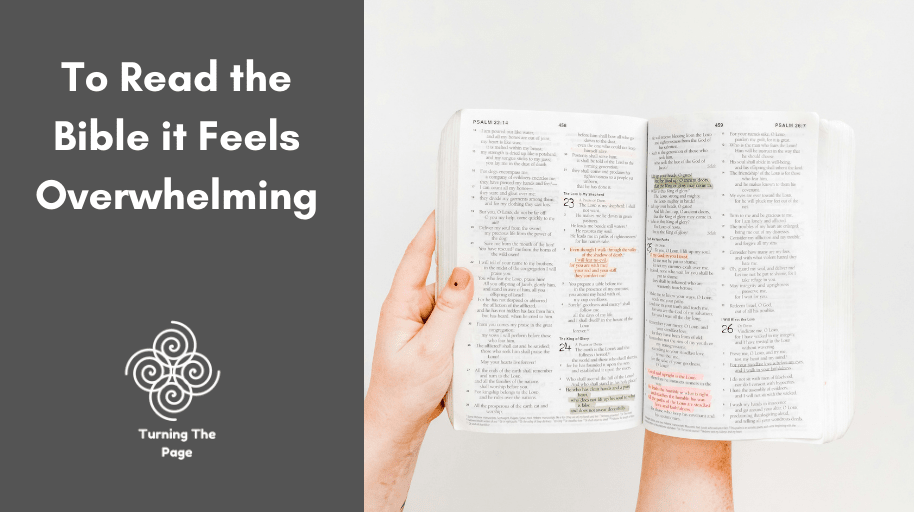
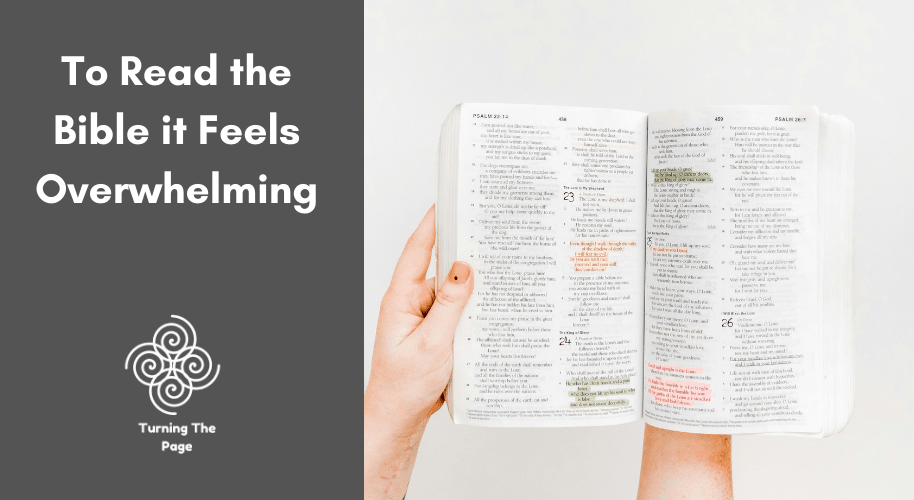
To read the Bible, it can feel overwhelming. What do I do? I want to read the Bible and grow, but where do I start
I was raised in a church tradition that highly valued reading the Bible.
People were encouraged to read their bible every day, go to bible study classes during the week, memorise verses, and had verses made into pieces of art to hand on the wall.
I remember one of these hanging on the wall of our living room.
Choose this day whom you will serve … but as for me and my family, we will serve the Lord Joshua 24:15
Our minister (pastor) had a passion for New Testament Greek, and so on Sundays, as part of his long sermon, he would share with us his latest discoveries on a particular New Testament Greek word.
Interesting, but not that well connected to the daily needs of our farming community.
The pressure was on, or at least it felt that way.
Pressure to
- Read your Bible more
- Memorise scriptures
- Understand New Testament Greek
- Tell others about Jesus
- Study, learn, and gain more knowledge
The pressure is on
It always felt there was more to do.
I emphasize the word ‘do’
It felt like you were being judged by how much you did. God judged you, your faith community judged you, and of course you judged yourself.
It was performance-based faith.
Have you ever experienced this type of culture?
It’s really easy to create.
You just put out an expectation of performance, promote it as the optimal performance level, and then let comparionitis sneak in to create the pressure.
Comparisonitis – the compulsion to compare one’s accomplishments to another’s to determine relative importance. Wiktionary
Here is an example.
- Expectation of performance: read the whole Bible in a year
- Promote it as the optimal performance level: People are encouraged to do it, classes are created, books written on how to do it, people tell others about how they are reading the bible every day and that ‘It’s making a huge difference.’
- Comparisonitis kicks in. You compare what you are doing with what others are doing, and you either feel smug or proud of your superior performance, or you feel less than and not good enough.
Then there are those who find reading difficult? Sight difficulties, dyslexia, and not knowing actually how to read?
What about those who are just too busy to be able to spend hours reading? Small children run around their feet, work consumes much of their day, sick relatives need help?
So then we beat ourselves up, and others do too, and we conclude God judges us poorly because, well, were just not good enough. We’re not meeting the standard!
To read the Bible, it feels overwhelming
I had someone email me a comment
‘While I do believe I should read the Bible more on my own, this often feels overwhelming to me.
I feel like I don’t know where to begin so I don’t.’
I know that feeling.
- A ‘should’ to reading the Bible
- A ‘should’ to having a personal devotional life
- The feeling of overwhelm about not knowing where to start
- A comparison to others and what they are doing and feeling the guilt and shame ghosts whispering in.
It all feels too much and so you don’t do a thing.
Henri Nouwen
I found a kind of relief to this performance pressure when I read the words of someone else who had this struggle.
Henri Nouwen was one of the greatest writers of Christian spirituality in the 20th century.
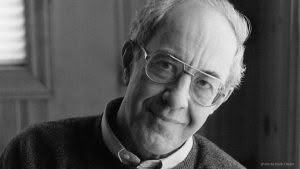
He talks about a conversation he had with Mother Teresa.
The very first thing we need to do is set apart a time and a place to be with God and him alone.
The concrete shape of this discipline of solitude will be different for each person depending on individual character, ministerial task, and milieu.
But a real discipline never remains vague or general.
It is as concrete and specific as daily life itself.
When I visited Mother Teresa of Calcutta a few years ago and asked her how to live out my vocation as a priest, she simply said: ‘Spend one hour a day in adoration of your Lord and never do anything you know is wrong, and you will be all right.’
She might have said something else to a married person with young children and something else again to someone who lives in a larger community.
But like all great disciples of Jesus, Mother Teresa affirmed again the truth that ministry can be fruitful only if it grows out of a direct and intimate encounter with our Lord.
Thus the opening words of St. John’s first letter echo down through history: ‘Something… we have heard, and we have seen with our own eyes; that we have watched and touched with our hands: the Word, who is life – this is our subject’ (1 John 1:1). The Way Of The Heart by Henri Nouwen
Permission to do what you can
What I hear from this reading is this:
- Make personal time with God a priority
- Do what you can within the context of your daily life
- Make it concrete and specific
- Don’t play the comparisonitis game
For me, at this stage in life, in this context, I do these things (which I will not share because then you might compare) but at other times in my life I did other things.
I will do what I can
with what I have
in the context of my life
as it is now.
Because, as Mother Teresa would say …
In the final analysis, it is between you and your God. It was never between you and them anyway.
Quotes to consider
People are often unreasonable, illogical and self-centered. Forgive them anyway.
If you are kind, people may accuse you of selfish, ulterior motives. Be kind anyway.
If you are successful, you will win some false friends and some true enemies. Succeed anyway.
If you are honest and frank, people may cheat you. Be honest and frank anyway.
What you spend years building, someone could destroy overnight. Build anyway.
If you find serenity and happiness, they may be jealous. Be happy anyway.
The good you do today, people will often forget tomorrow. Do good anyway.
Give the world the best you have, and it may never be enough. Give your best anyway.
You see, in the final analysis, it is between you and your God. It was never between you and them anyway.Christians don’t simply learn or study or use Scripture; we assimilate it, take it into our lives in such a way that it gets metabolized into acts of love, cups of cold water … Eugene H. Peterson
The question is: Why have these poems and prayers endured? Why, thousands of years later, do we still have them? And the answer you’ll return to again and again is: They speak to our human experience. Rob Bell
But he answered, ‘It is written, “One does not live by bread alone, but by every word that comes from the mouth of God.’ Matthew 4:4
Questions to answer
- How has comparisonitis influenced your life?
- What did you hear in that excerpt from Henri Nouwen?
- In the context of your life, as it is at the moment, what is highly achieveable in regards to reading the bible?
Formation exercise
- Get a small card, the size of a business card. Write this verse on the back of it. The Lord is my shepherd, I shall not want. He makes me lie down in green pastures; he leads me beside still waters; he restores my soul. Psalm 23:1-3.
Read this psalm three times a day. When you wake, when you have lunch, before you go to bed for the next week. At the end of the week consider what you have learned from these verses.
Read further
Barry Pearman
Photo by Sincerely Media on Unsplash
Contact me