Safe places and safe people ask good questions that may not feel safe at all, but they have goodness flowing through them.
In short: A genuinely safe place isn’t one where you’re never challenged — it’s one where you’re never condemned. True emotional safety comes from unhurried listening, gentle curiosity, and people who resist the urge to fix, advise, save, or set you straight. You can build this kind of safety by practising what James 1:19 calls being “quick to listen, slow to speak, slow to anger.”
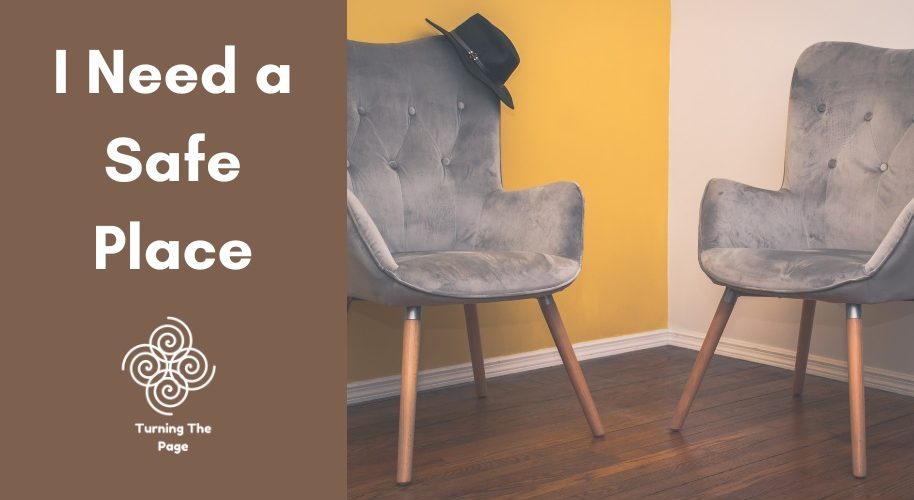
I need a place where I can go and feel safe.
So many people have opinions and are quick to share them. Lightning fast to draw a conclusion and speed of light to share it.
I’ve seen people shrivel up and wither under the bombardment of others’ opinions. Something dies within them. They become like hydrophobic soil. That’s a type of soil that actively repels water. Add a drop of water to the surface, and it runs away and isn’t taken in.
You get to the point that you don’t share anything because you know what you get back will feel like an attack. I stress the word ‘feel’ because it may not be an attack, but you have been abused so often that everything now feels like a threat.
What does it mean to have a “safe place”?
Is it a fortress where you can hide away and no one comes near?
Perhaps the place behind a mask of ‘everything is fine.’ Got to keep up appearances.
Could it be a physical place where you know you won’t be interrupted? You can hide away and ‘be yourself,’ whatever that might mean.
Is a safe place somewhere where you won’t be asked questions?
Maybe it’s a kind of soul place where you know others will welcome you with open, nonjudgmental arms and with a sort of gentle curiosity.
How would you define a safe place?
Jump to a section
- What does it mean to have a “safe place”?
- Is “safe” the same as “good”?
- What does the Bible say about being quick to listen?
- Word study: quick, listen, slow, speak
- What is F.A.S.S. — and why should you stop doing it?
- Questions I ask at the end of a conversation
- Quotes to consider
- Questions to answer
- FAQ: Safe places and safe people
- Further reading
Is “safe” the same as “good”? Not safe, but good
When I hear the word ‘safe,’ my mind often goes to the C.S. Lewis book The Lion, The Witch, and the Wardrobe.
In the story, some children are on an adventure and are exploring a cursed and frozen land called Narnia. They are welcomed into the home of Mr. and Mrs. Beaver and learn about the great king Aslan and that he is a lion.
One of the children asks a very fearful question about this lion.
“That you will, dearie, and no mistake,” said Mrs. Beaver. “If there’s anyone who can appear before Aslan without their knees knocking, they’re either braver than most or else just silly.”
“Then he isn’t safe?” said Lucy.
“Safe?” said Mr. Beaver; “don’t you hear what Mrs. Beaver tells you? Who said anything about safe? ‘Course he isn’t safe. But he’s good. He’s the King, I tell you.”
Do you want ‘safe,’ or do you want ‘good’?
We want safe first, but in the context of goodness going forward.
Is God safe? Is God good, and if so, then what is God good for?
What does the Bible say about being quick to listen?
James, an early church pastor, wrote these words to the little home groups of Christians meeting together in what we would now call church.
Quick to listen, slow to speak, slow to anger — that one verse is a complete blueprint for what it means to be a safe person in conversation.
Word study: quick, listen, slow, speak
Here are some Greek word definitions for James 1:19 that add depth to the verse:
- Quick — taxýs (Greek): swift, speedy, without unnecessary delay.
- Listen — akoúō (Greek): properly, to hear (listen); figuratively, to hear God’s voice, which prompts Him to birth faith within. Akoúō is the root of the English term “acoustics.”
- Slow — bradýs (Greek): taking time to deliberate. A sense of being unhurried.
- Speak — laleó (Greek): to talk, chatter in classical Greek, but in the New Testament, a more dignified word — I speak, I say.
Does your church have good acoustics? Is it a place where there is a quickened delight in listening?
What is F.A.S.S. — and why should you stop doing it?
F.A.S.S. stands for Fix, Advise, Save, or Set straight — the four reflexive moves most of us make the moment someone shares something painful with us, and the fastest way to make a conversation feel unsafe.
It’s a discipline, a training ground, a practice to work at. It’s the humility of listening well.
I fail at it constantly because my brain wants to F.A.S.S. — fix, advise, save, or set straight. Using a taxi (taxýs — Greek) I quickly resolve the problem and then move on to F.A.S.S. someone else.
James wants us to go slow and be unhurried in our conversation.
Can I ask more questions? Gentle, open-ended questions? Curious to know the acoustics of the heart of the other.
To be a safe person and to offer a safe place is to slow down. Be deliberate and unhurried in your conversation.
Anything outside of this may come from and generate a place of anger. Frustrations leak out into the space and stifle love.
Have I listened well?
Questions I ask at the end of a conversation
Often, I will ask these questions at the end of a church conversation:
- What are you going to take away from our time together?
- What have you heard?
- What have you written down in your notebook that you can consider in unhurried leisure?
Safe places and safe people ask good questions that may not feel safe at all, but they have goodness flowing through them.
Quotes to consider
Questions to answer
- What would it be like to be listened into wellness?
- Why do you think we are quick to speak and slow to listen?
- When have you been listened to at a deep level? Why was this significant?
FAQ: Safe places and safe people
What makes a person “safe” to talk to?
A safe person is someone who listens without rushing to judge, fix, or correct you. They ask gentle, curious questions instead of jumping to conclusions, and they let you say hard things without punishing you for saying them.
What does F.A.S.S. mean in counselling or pastoral care?
F.A.S.S. is a memorable acronym for the four unhelpful instincts to avoid when someone opens up to you: Fixing, Advising, Saving, or Setting them Straight. Resisting F.A.S.S. is one of the core disciplines of being a safe listener.
Is being “safe” the same as being “nice” or avoiding hard topics?
No. As C.S. Lewis illustrates through the character of Aslan in The Lion, the Witch and the Wardrobe, something can be good without being tame or predictable. A safe place still allows hard, honest questions — it just removes the fear of condemnation while you’re asking them.
How can I become a better, safer listener?
Practise James 1:19: be quick to listen, slow to speak, and slow to anger. In practice, that means asking more open-ended questions than you answer, resisting the urge to fix the other person’s problem, and giving the conversation time to unfold without rushing it.
Further reading
- Please. No Fixing, Advising, Saving or Straightening Out
- When the Confessor Goes Rogue
- Preparing your Shelter from the Storm
- Good Conversations don’t leave you Feeling Judged
- Listen. You’re on Sacred Ground
- Throwing Pearls to Pigs
Photo by Steve Johnson on Unsplash
By Barry Pearman — Community Chaplain, Spiritual Director, and mental health writer
Safe places and safe people ask good questions that may not feel safe at all, but they have goodness flowing through them.
I need a place where I can go and feel safe.
So many people have opinions and are quick to share them. Lightning fast to draw a conclusion and speed of light to share it.
I’ve seen people shrivel up and wither under the bombardment of others’ opinions. Something dies within them. They become like Hydrophobic soil. That’s a type of soil that actively repels water. Add a drop of water to the surface, and it runs away and isn’t taken in.
You get to the point that you don’t share anything because you know what you get back will feel like an attack. I stress the word ‘feel’ because it may not be an attack, but you have been abused so often that everything now feels like a threat.
So what’s a safe place?
Is it a fortress where you can hide away and no one comes near?
Perhaps the place behind a mask of ‘everything s fine.’ Got to keep up appearances.
Could it be a physical place where you know you won’t be interrupted? You can hide away and ‘be yourself’ whatever that might mean.
Is a safe place somewhere where you won’t be asked questions?
Maybe it’s a kind of soul place where you know others will welcome you with open, nonjudgmental arms and with a sort of gentle curiosity.
How would you define a safe place?
Not safe, but good
When I hear the word ‘safe,’ my mind often goes to the C.S. Lewis book The Lion, The Witch, and the Wardrobe.
In the story, some children are on an adventure and are exploring a cursed and frozen land called Narnia. They are welcomed into the home of Mr. and Mrs. Beaver and learn about the great king Aslan and that he is a lion.
One of the children asks a very fearful question about this lion.
“Is he—quite safe? I shall feel rather nervous about meeting a lion.”
“That you will, dearie, and no mistake,” said Mrs. Beaver. “If there’s anyone who can appear before Aslan without their knees knocking, they’re either braver than most or else just silly.”
“Then he isn’t safe?” said Lucy.
“Safe?” said Mr. Beaver; “don’t you hear what Mrs. Beaver tells you? Who said anything about safe? ‘Course he isn’t safe. But he’s good. He’s the King, I tell you.’
Do you want ‘safe’ or do you want ‘good.’?
We want safe first but in the context of goodness going forward.
Is God safe?
Is God good, and if so, then what is God good for?
The quick and the slow place
James, a early church pastor, wrote these words to the little home groups of Christians meeting together in what we would now call church.
You must understand this, my beloved: let everyone be quick to listen, slow to speak, slow to anger; for your anger does not produce God’s righteousness. James 1:19-20
Quick to listen, slow to speak, slow to anger.
Here are some definitions
- Quick –taxýs (Greek) – swift, speedy, without unnecessary delay.
- Listen – akoúō (greek) – properly, to hear (listen); (figuratively) to hear God’s voice which prompts Him to birth faith within. Akoúō is the root of the English term “acoustics.”
- Slow – bradýs (greek) – as in taking time to deliberate. A sense of being unhurried.
- Speak – laleó (greek) – talk, chatter in classical Greek, but in New Testament, a more dignified word. I speak, say.
Does your church have good acoustics? Is it a place where there is a quickened delight in listening?
No F.A.S.S.
It’s a discipline, a training ground, a practice to work at. It’s the humility of listening well.
I fail at it constantly because my brain wants to F.A.S.S. – fix, advise, save, or set straight. Using a taxi (taxýs – Greek) I quickly resolve the problem and then move on to F.A.S.S. someone else.
James wants us to go slow and be unhurried in our conversation.
Can I ask more questions? Gentle open-ended questions? Curious to know the acoustics of the heart of the other.
To be a safe person and to offer a safe place is to slow down. Be deliberate and unhurried in your conversation.
Anything outside of this may come from and generate a place of anger. Frustrations leak out into the space and stifle love.
Have I listened well?
Often, I will ask these questions at the end of a church conversation.
- What are you going to take away from our time together?
- What have you heard?
- What have you written down in your notebook that you can consider in unhurried leisure?
Safe places and safe people ask good questions that may not feel safe at all , but they have goodness flowing through them.
Quotes to consider
It’s time we paid whatever price must be paid to become part of a spiritual community rather than an ecclesiastical organization. It’s time to build the church, a community of people who take refuge in God and encourage each other to never flee to another source of help, a community of folks who know the only way to live in this world is to focus on the spiritual life – our life with God and others. It won’t be easy, but it will be worth it. Our impact on the world is at stake. Larry Crabb The Safest Place on Earth
Churches that pedal beliefs and belonging as a substitute for following the Way are offering spiritual junk food. Beliefs and belonging are certainly tasty and they may temporarily satisfy some apparent needs but they do not meet our deepest spiritual longings. David Benner
No one person can fulfill all your needs. But the community can truly hold you. The community can let you experience the fact that, beyond your anguish, there are human hands that hold you and show you God’s faithful love. Henri Nouwen
Sensitive listeners respond to comments with words that convey an interest in hearing more, sentences that open the door to information. Words that open doors transmit two messages: 1. ‘I am interested in whatever you have to say.’ 2.’I will accept you regardless of what you say.’ Larry Crabb
It is usually most helpful to ask questions that are more about the person than about the problem. Parker J. Palmer
There are questions which illuminate, and there are those that destroy. We should ask the first kind. Isaac Isador Rabi.
Questions to answer
- What would it be like to be listened into wellness?
- Why do you think we are quick to speak and slow to listen?
- When have you been listened to at a deep level? Why was this significant?
Further reading
- Good Conversations don’t leave you Feeling Judged — Tired of being judged? Discover how to find and create an “oasis of gentle curiosity” where you can be fully known without being condemned.
- Listen. You’re on Sacred Ground — When a tear forms, you’re on sacred ground. Discover why “taking off your sandals” and listening is more powerful than any fix or solution.
- You’re Being Too Naked in Your Vulnerability — Discover the “Eden desire” to be fully known and loved. Learn why true vulnerability requires time, respect, and healthy boundaries.
- Throwing Pearls to Pigs — Protect your peace. Learn why sharing your deepest “pearls” requires wisdom and how to find safe people who value your vulnerability.
- I’m Building a Wall — Is your inner beauty being trampled? Discover the wisdom of Nehemiah’s wall and why rebuilding your boundaries is a vital act of recovery.
- It’s Hard to Put into Words — Struggling to explain how you feel? Discover why “going quiet” happens and how to find the words to clean the inside of your cup & find freedom.
Barry Pearman
Photo by Steve Johnson on Unsplash