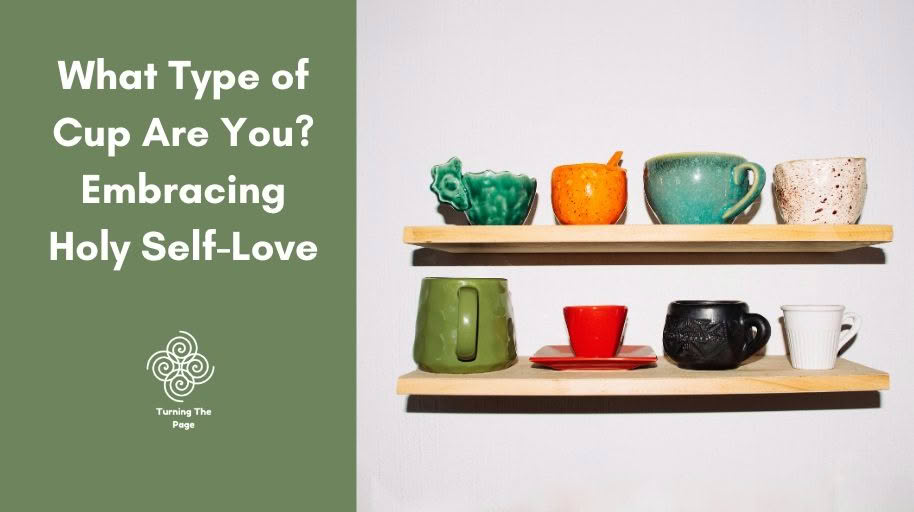

We are like a cup in which energy both fills and drains. The Cup Exercise is a short spiritual practice — imagine your life as a cup, and simply notice what’s pouring in and what’s being poured out. In under two minutes you get a clear, honest snapshot of where you actually stand before stress and burnout make that decision for you.
It was always a challenge to get them to care for themselves. They were always giving out to others, and I could see that life was being sucked out of them. I explained that you can’t give out of an empty cup, but self-sacrifice and martyrdom had been drummed into them from childhood. They remembered that Sunday School song—J.O.Y. Jesus first, Yourself last, and Others in between—sung to the merry little tune of Jingle Bells.
But now all that giving out was leading to their fragile body forming cracks. The body was breaking down. It couldn’t keep on giving out. Illnesses came, sleeplessness, anxiety, and depression. The body was trying to send a message—stop abusing the cup.
On This Page
- What Is the Cup Exercise?
- How Do You Do the Cup Exercise?
- What Are Cup Fillers and Cup Drainers?
- Quotes to Consider
- Questions to Ask Yourself
- Frequently Asked Questions
- Further Reading
What Is the Cup Exercise?
Many years ago, I spent some time with a counselor by the name of Ruth Penny, and she suggested that I do a simple little spiritual exercise. I don’t know if she had developed it herself or if it was someone else’s, but I use it all the time. It is simply to imagine yourself as a cup and to notice what is filling your cup and what is emptying it — the input and the output, what is flowing in and what is being taken out.
It’s a simple exercise of attention.
How Do You Do the Cup Exercise?
1. Get your journal or a piece of paper and a pen
Have some writing paper, a journal, or your diary so you can write your experiences. Keeping a record of your entries will enable you to see trends in your life, and it may well point out to you things that God wants you to take notice of.
2. Quieten yourself
This is an exercise of attention, so you will need to be quiet and give yourself space to breathe and focus. Allow yourself to be still. Prayerfully ask the Holy Spirit to open the awareness of your cup to you — to see what God sees.
3. Imagine your life as a cup
A cup is something we are all familiar with. Jesus used a cup as a metaphor for our lives. The cup is a container for something; it has a purpose and practicality to it. This exercise is not about the external aspects of the cup, such as color, age, cracks, or chips, but more about what flows in and out.
4. Write down your Cup Fillers and Cup Drainers
As you consider how your life is a cup, take note of what has filled your life and what has drained your life. See the “Cup Fillers and Cup Drainers” section below for a fuller explanation of each.
5. Prayerfully look at the Fillers and Drainers
Examine them and ponder them. How full or empty is your cup at the moment? Do you notice any patterns in what has filled you or drained you? Is there anything you need to do differently? What do you need to let go of? Is there something you need to embrace? What will repeat itself if you don’t make some changes?
You might like to discuss and problem-solve some of the drainers with others. Set yourself some small and highly achievable goals that focus on both filling your cup and dealing with the drainers.
Note: some things can be both drainers and fillers. For example, I love talking with people at a deep level. It both fills my cup but also drains it. This is okay, as long as I am aware of it and learn ways to fill up.
6. Repeat the exercise
I encourage you to repeat this exercise. Make it a regular part of your life — every day or every week. As you do this, you will begin to see patterns in what fills and drains your cup. There may be an invitation in those patterns to explore further. Those habits, both good and bad, have a revealing nature to them. I wonder what they can tell you about you?
By the way, this exercise is highly beneficial if you are considering a career change. You begin to notice the patterns that might be like signposts for a future direction to explore.
7. Give yourself a cup of grace
If I could give everyone a cup of some unique beverage, it would be a cup of grace. We can so easily measure ourselves against others and pick up a nasty case of “comparisonitis.” The poison of comparison cripples our contentment. Instead, give yourself a cup of grace.
“Mental Health is … taking notice of your cup. What is filling you and what is draining you.”
What Are Cup Fillers and Cup Drainers?
Cup Fillers are anything that gives you a sense of life — it might be the smallest of things, such as a smile from a stranger, something you have read, or something you have achieved. It is anything positive that has been poured into your life. Don’t dismiss even the smallest of droplets that made their way into your life; they all add up.
Cup Drainers are anything that has drained the life from you — it might be a relationship, a conflict, or a work situation. It could be anything, but for whatever reason, it has drained some sense of life from you.
Quotes to Consider
Questions to Ask Yourself
What, on a regular basis, has an energy-filling effect on the cup of your life?
Take a moment to name it specifically, rather than leaving it as a vague feeling — a specific person, place, or habit is easier to notice again next time.
What, on a regular basis, has an energy-draining effect on the cup of your life?
The same applies here. Naming the drainer clearly is the first step to doing something about it.
Are you able to give yourself a nice full cup of grace?
This isn’t a rhetorical question — sit with it honestly before moving on.
Frequently Asked Questions
What is the “cup” exercise for mental health?
It’s a short, prayerful reflection where you picture your life as a cup and write down what has recently filled it with energy and what has drained it. The goal is simple attention — noticing patterns before stress turns into burnout.
How often should I do the cup fillers and drainers exercise?
Regularly — daily or weekly works well. A single entry is just a snapshot, but a repeated habit is what reveals the patterns that actually need your attention.
What if something is both a cup filler and a cup drainer?
That’s normal. Some things, like a deep conversation, can fill you and drain you at the same time. The goal isn’t to avoid them but to stay aware of the cost and build in ways to refill afterward.
Is the cup exercise a form of journaling?
Yes — it works best as a short journal entry, since a written record over time lets you spot trends you wouldn’t notice from memory alone.
Further Reading
- What Type of Cup Are You? Embracing Holy Self-Love — Lose your true self to others? Explore the cup metaphor of self-love, break codependency patterns, and embrace how God uniquely made you.
- Stop the Traffic: Embracing a Sabbath Centric Life — Discover the life-changing power of Sabbath rest. Learn how to stop the busy traffic of life, plan ahead, and fill your cup today

- For Sabbath’s Sake Build a Fence Around That Well — Rigid rule-keeping feeds anxiety and perfectionism. Discover how choosing relationship, grace, and mercy brings true healing over legalism.

- You Can Only Do So Much: Spoon Theory — Feeling drained? Discover the “Spoon Theory” metaphor for energy and how the “perfect law” of Psalm 19 can revive your tired soul.
- Comparisonitis – The Compulsion to Compare Yourself — Stop letting comparison rob your joy. Learn how to explore your unique calling, silence your inner critic, and find peace in who you are.

- Feeling Overwhelmed? — Feeling overwhelmed can feel like you’re caught in a flood, but you are not alone. Find peace through the Psalms and the gift of empathy.
Barry Pearman
Barry Pearman is a former Community Chaplain who spent years pastoring people living with anxiety, depression, psychosis, bi-polar, and addiction through a church community he helped build called “The Living Room.” He holds a Bachelor of Applied Theology from Carey Baptist College, alongside training in pastoral therapy, CBT interventions in mental health care, and spiritual direction through Dr. Larry Crabb’s New Way Ministries. He now writes, coaches, and leads Soultalk conversations at Turning the Page, helping people take grace-filled, “millimetre step” progress toward mental wholeness.